Can fishing and conservation coexist in Galapagos?
Galapagos is a globally important refuge for marine life, but it’s also a place where people depend on the ocean for their livelihoods, making fisheries management a complex conservation challenge.
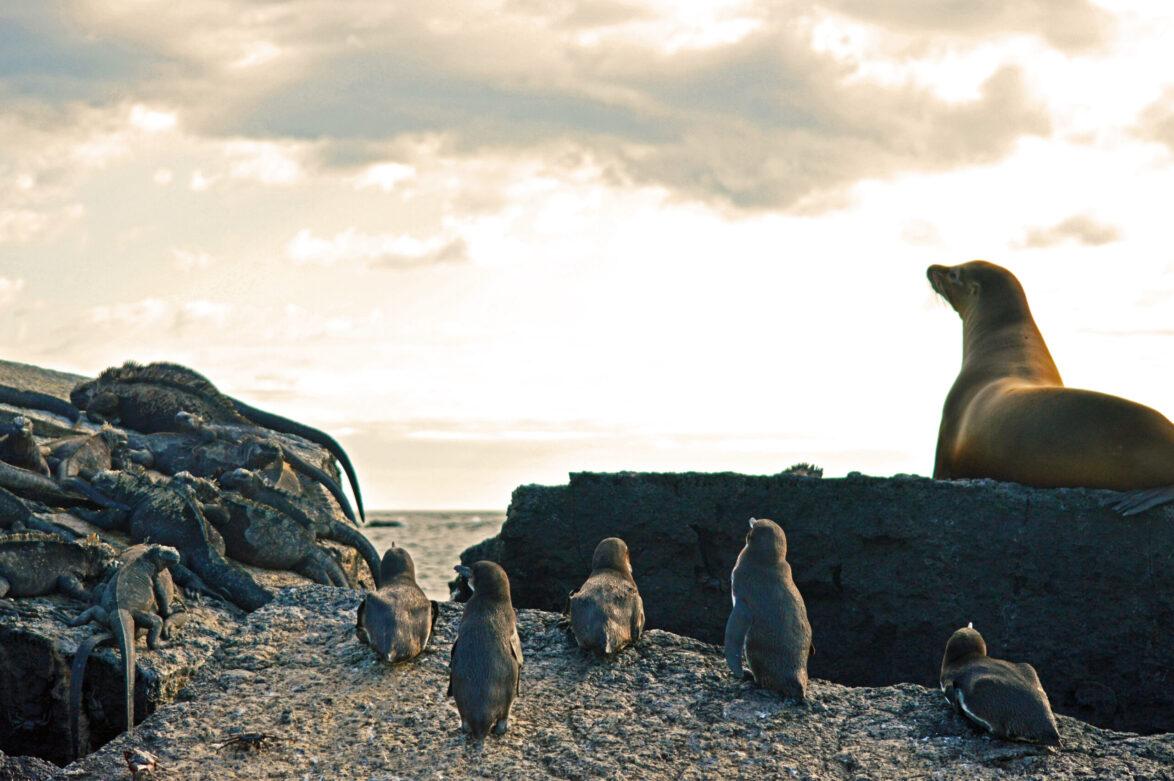
The Galapagos Archipelago is a marine biodiversity hotspot, surrounded by some of the most productive seas on Earth. The upwelling of cold, nutrient-rich waters at balmy equatorial latitudes creates a unique mix of polar and tropical species, which is why you see remarkable sights like penguins and iguanas alongside one another. However, this seething abundance of marine life does not just provide sustenance for wild animals; it also attracts the interest of fishing fleets from as far away as Europe and Asia.
The politics of fishing
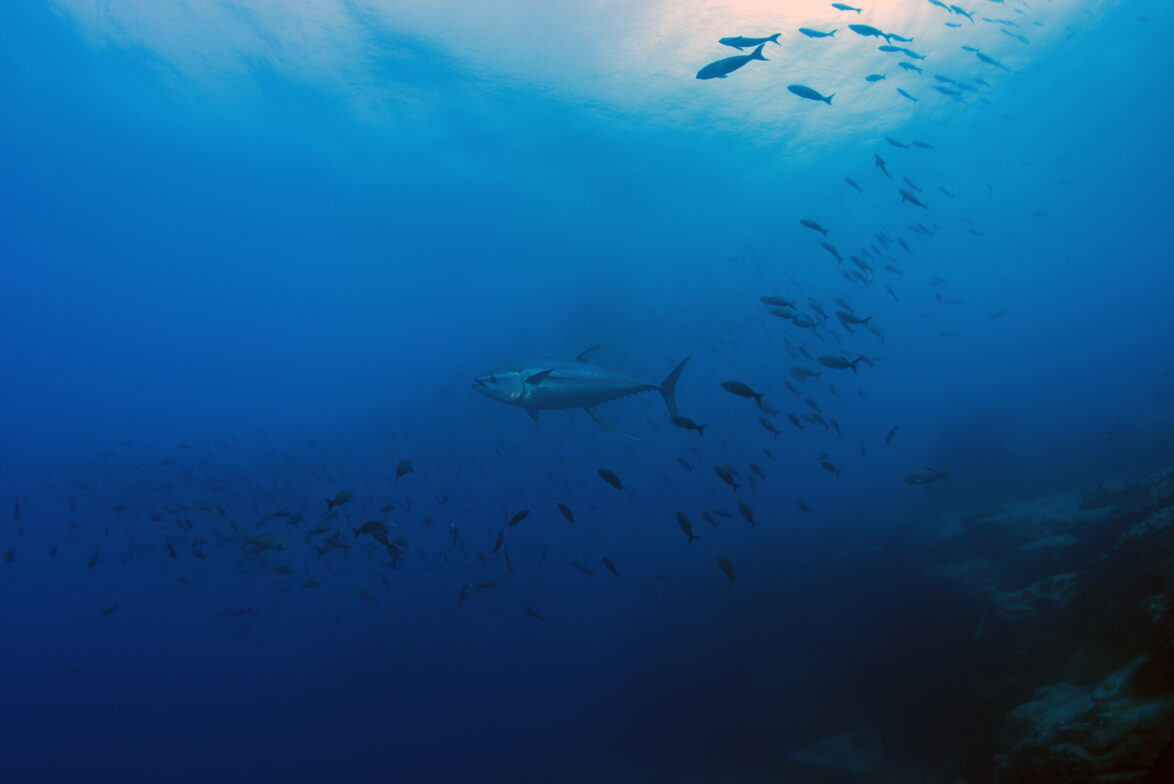
In recent years, the seas just outside the Galapagos Marine Reserve have regularly been in the news thanks to the presence of large distant-water industrial fleets, including many vessels linked to China. Hundreds of vessels congregate at the edge of the Reserve, mostly targetting squid. The Eastern Pacific is also a hugely important region for tuna fisheries, and Ecuador’s domestic tuna fleet is one of the largest in the world, based out of the mainland port of Manta. Other countries with a significant fishing presence in the region include Japan, South Korea, Taiwan and Spain. Within the Reserve, small-scale artisanal fishing is permitted in certain areas, though this is limited to permanent residents of the Islands, with restrictions on the type of fishing gear that can be used, and quotas or seasonal closures for key species such as spiny lobsters and sea cucumbers.
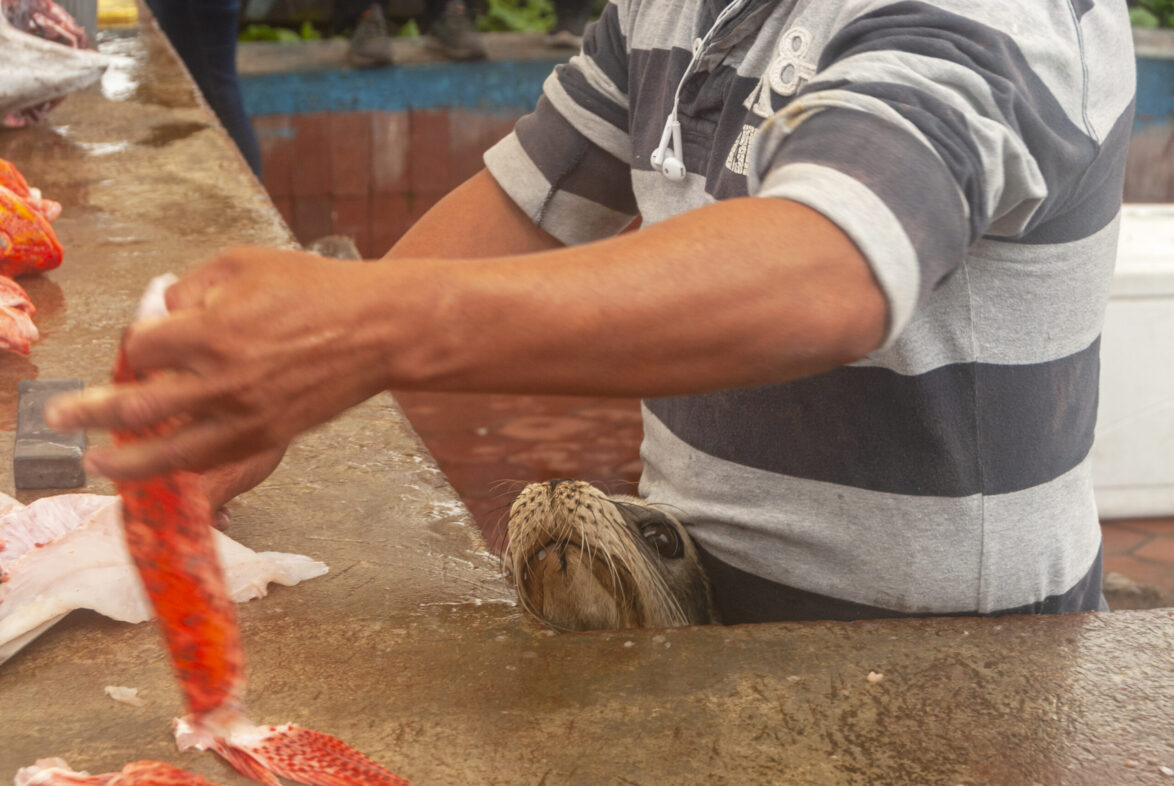
This complex picture makes fisheries management challenging for local authorities, even before we factor in other regional pressures such as plastic pollution, organised crime and the El Niño climate phenomenon. Fishing is a major source of both income and protein for island and coastal communities; it’s a way of life, a source of identity and pride. The subject of fisheries legislation can be highly politically charged, and has been a driver of hostility between fishers and conservationists in the past. During the 1990s and early 2000s, protests by fishers in Galapagos against quotas for lobsters and sea cucumbers turned violent, with government and National Park offices attacked and threats made against wildlife.
Thankfully, relations between the fishing sector and the local authorities have improved markedly in the decades since, but the same underlying issues can still be a source of tension. So how can we keep the seas around Galapagos safe for wildlife, while ensuring that local people can still provide for their families?
The subject of fisheries legislation can be highly politically charged, and has been a driver of hostility between fishers and conservationists in the past.
Overfishing, bycatch and IUU fishing
Before we consider the solutions, it’s worth pausing to unpick some of the terminology around fishing and its associated environmental harms, which can sometimes be a source of confusion. In the strictest sense of the word, ‘overfishing’ is when fish or other marine species are being removed faster than they can naturally replenish by breeding. This leads to dwindling fish stocks, which has a knock-on effect on the wider ocean ecosystem, and on the food security and livelihoods of the people who depend on it.
The word ‘overfishing’ is also often used as a shorthand for a host of other associated issues, such as ‘bycatch’, where non-target species such as turtles and sharks are unintentionally caught by the nets or lines targeting commercial species. You will also hear the term ‘IUU fishing’, which stands for ‘illegal, unreported and unregulated fishing’. This refers to fishing operations that contravene laws and regulations, such as fishing illegally in a marine protected area, catching protected species, or failing to report catches accurately. Some estimates suggest IUU fishing accounts for as much as one out of every five wild-caught fish globally, making it a huge threat to marine biodiversity.
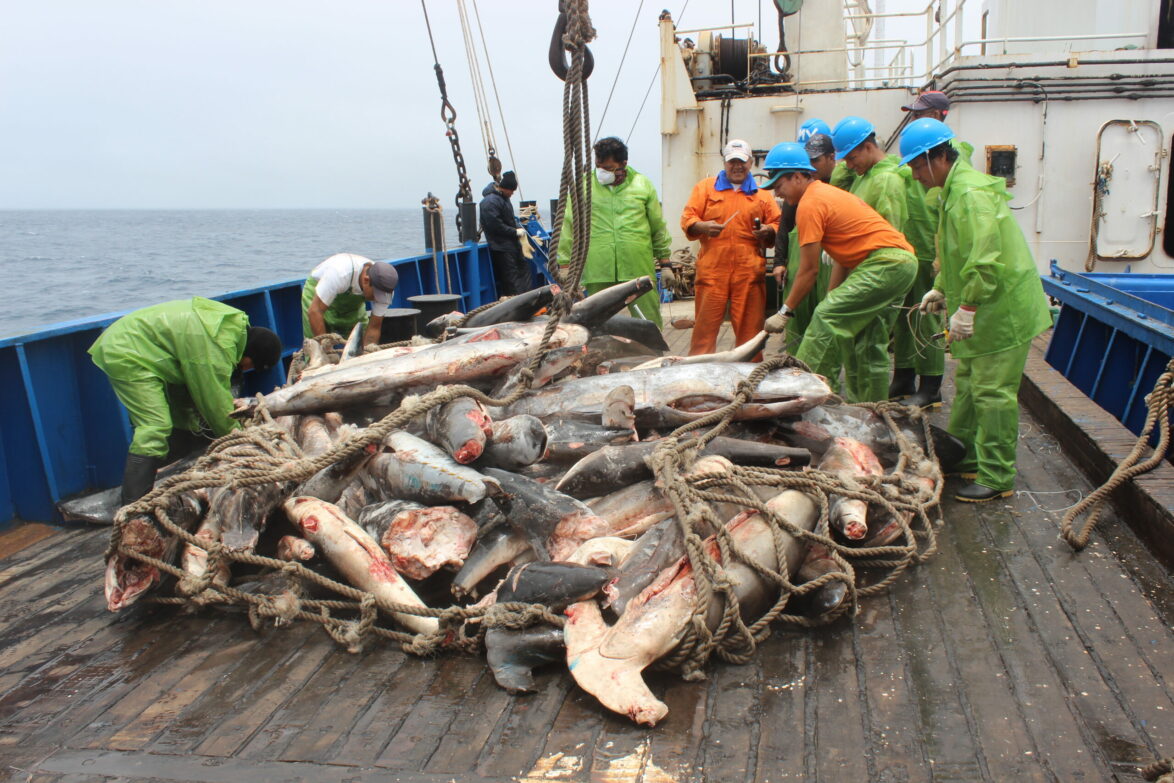
Examples of IUU fishing in Galapagos include the deliberate targetting of sharks for their fins. In August 2017, Galapagos National Park rangers and the Ecuadorian Navy intercepted a Chinese fishing vessel in the Galapagos Marine Reserve which was carrying more than 6,000 sharks, including endangered species such as whale sharks and scalloped hammerheads. Concern has also grown in recent years about the use of drifting fish aggregating devices (dFADs), a type of floating platform used by tuna fleets to attract fish. These devices are illegal within the Galapagos Marine Reserve, but dFADs released legally in international waters often drift across the reserve, entangling marine life in their nets, damaging local fishing boats and creating pollution when they wash up on the coast.
Another fishing practice outlawed within the Galapagos Marine Reserve is long-lining. This technique uses lines with baited hooks which can stretch over vast distances of up to 100 kilometres, and has historically been associated with high levels of bycatch, ensnaring animals such as sharks and albatrosses. Wildlife is particularly at risk in the High Seas, such as the area to the south east of the Archipelago, though illegal long-lining is also a problem within the Marine Reserve itself. There are some fishers in Galapagos who want to see the ban on long-lining overturned, but this has been resisted by the authorities.
Endangered sharks and rays of Galapagos
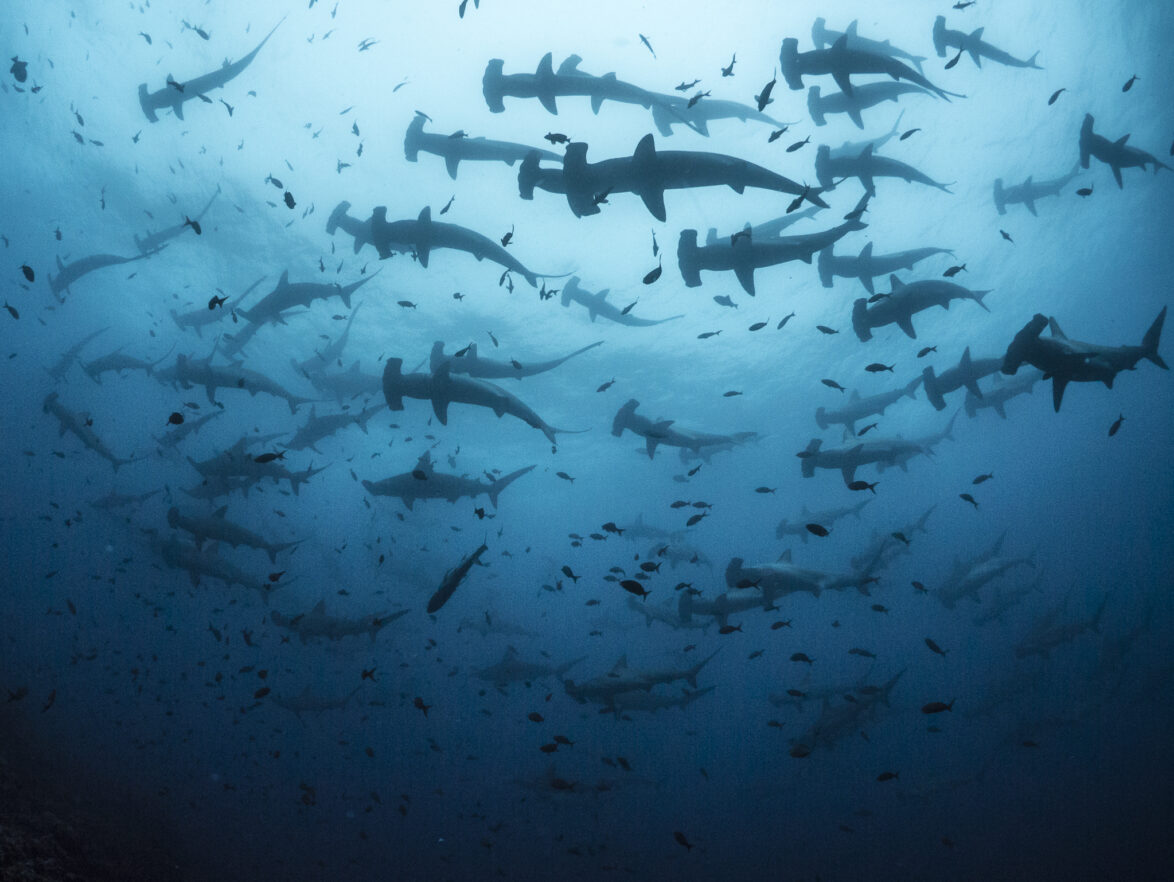
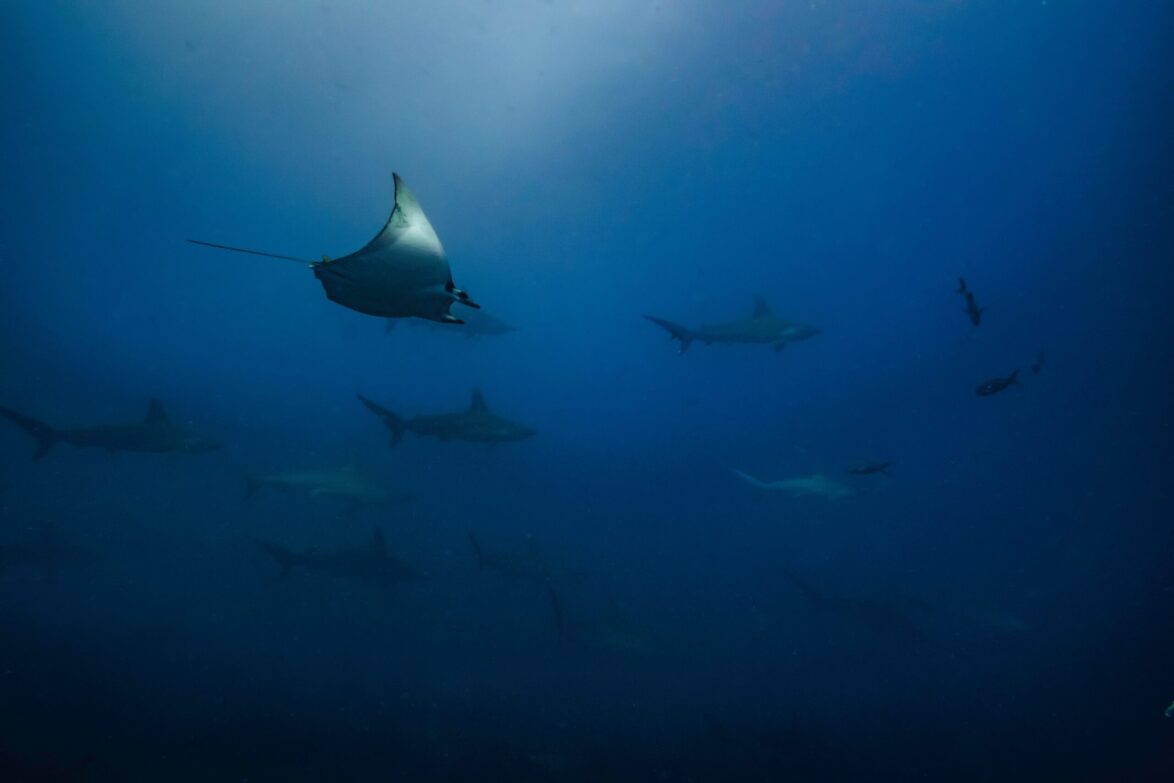
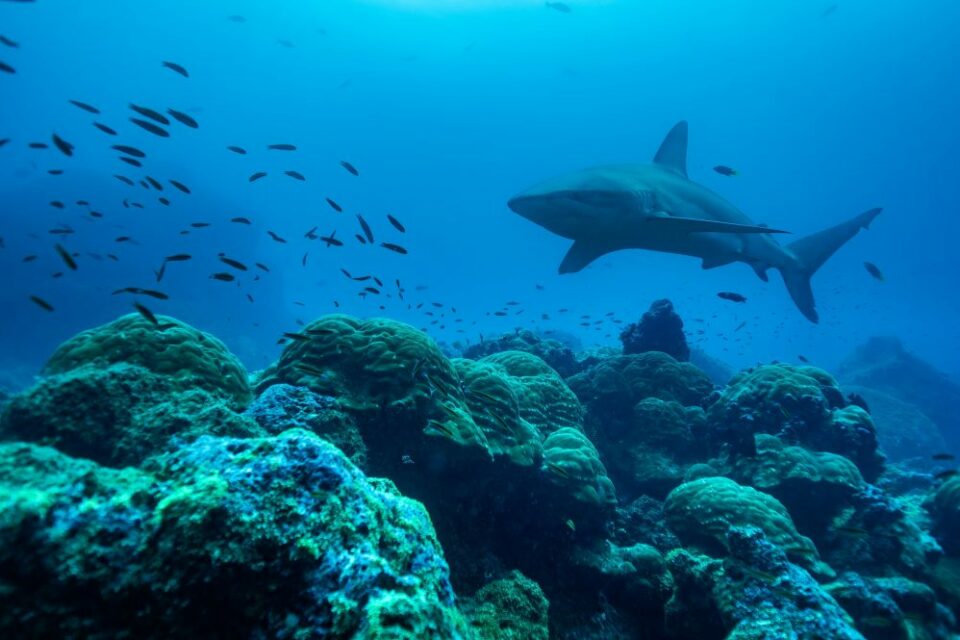
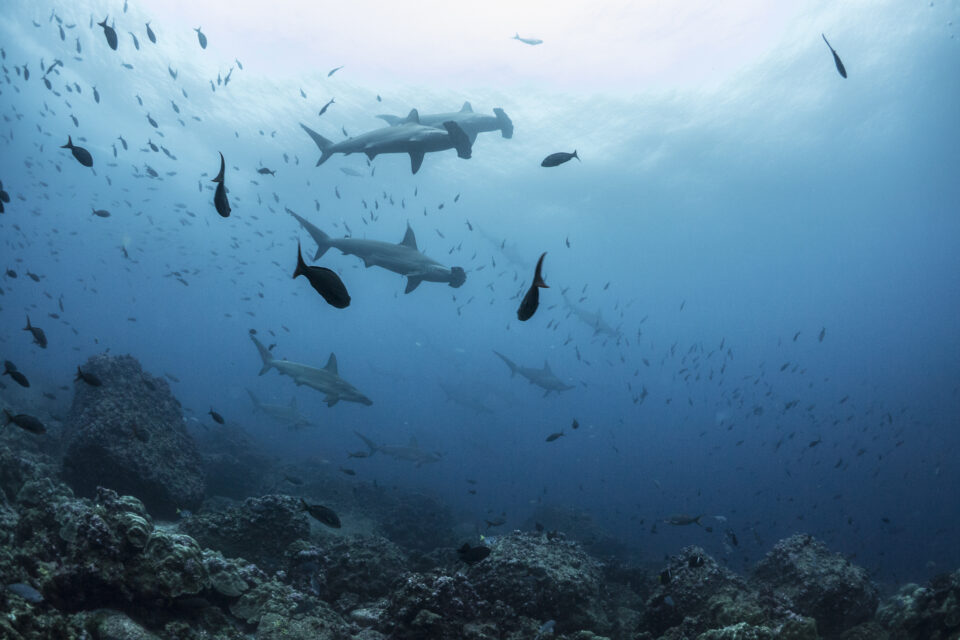
Galapagos is one of the world’s most important strongholds for sharks and rays, which we’re working to protect from threats such as overfishing.
Expanding marine protection around Galapagos
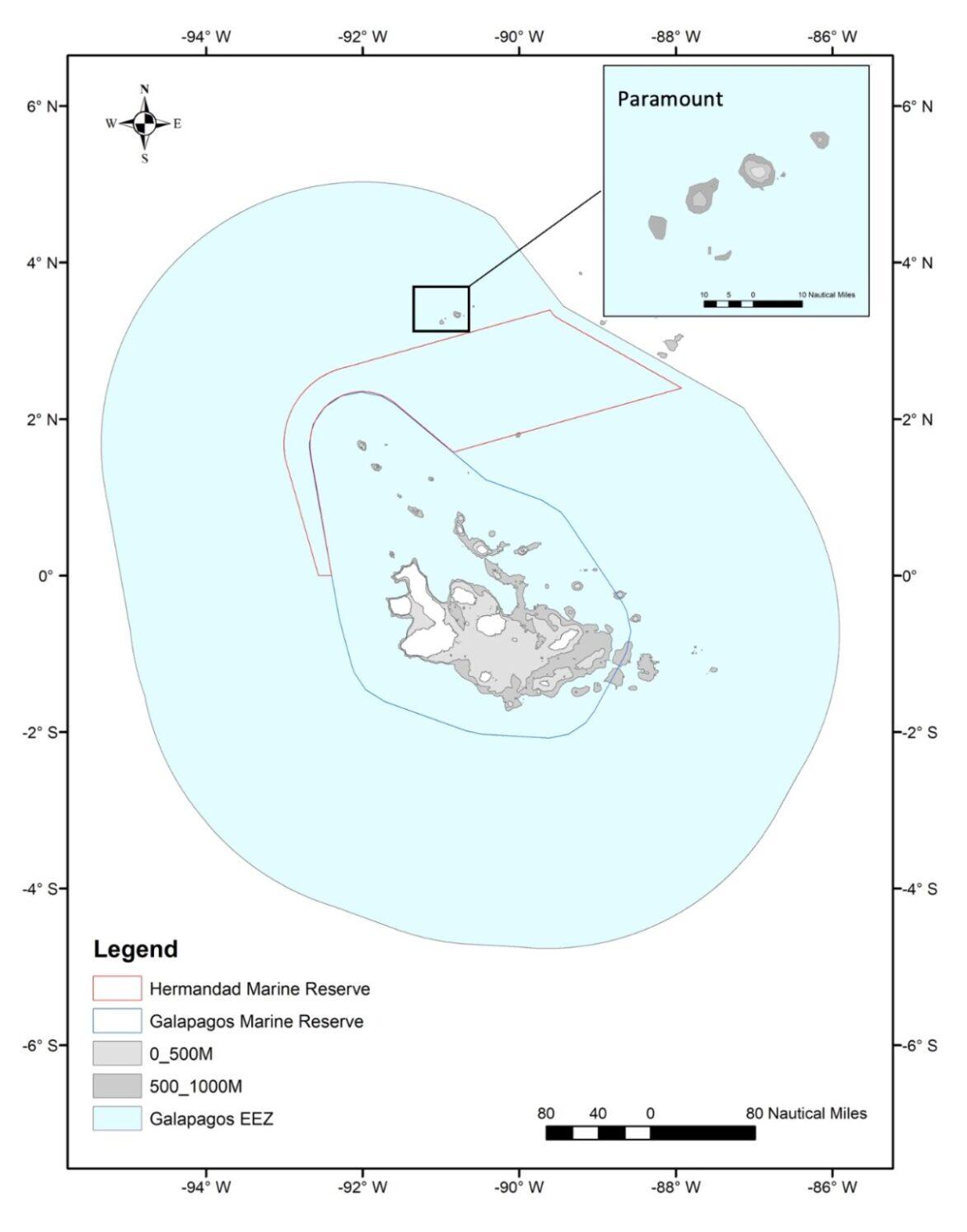
The Galapagos Marine Reserve was first established in 1998, covering an area of 138,000 km². This was then expanded in 2022 with the addition of the new Hermandad Marine Reserve, based on findings from years of science supported by GCT and our partners. Hermandad includes a 30,000 km² no fishing zone and a 30,000 km² zone where long-lining is banned, and extends northwest from the original Galapagos Marine Reserve boundary. The aim of this new reserve is to protect part of the 700-kilometre migration route for marine species known as the Galapagos-Cocos Swimway, which connects Galapagos with Cocos Island in Costa Rica and the islands of Malpelo and Gorgona in Colombia.
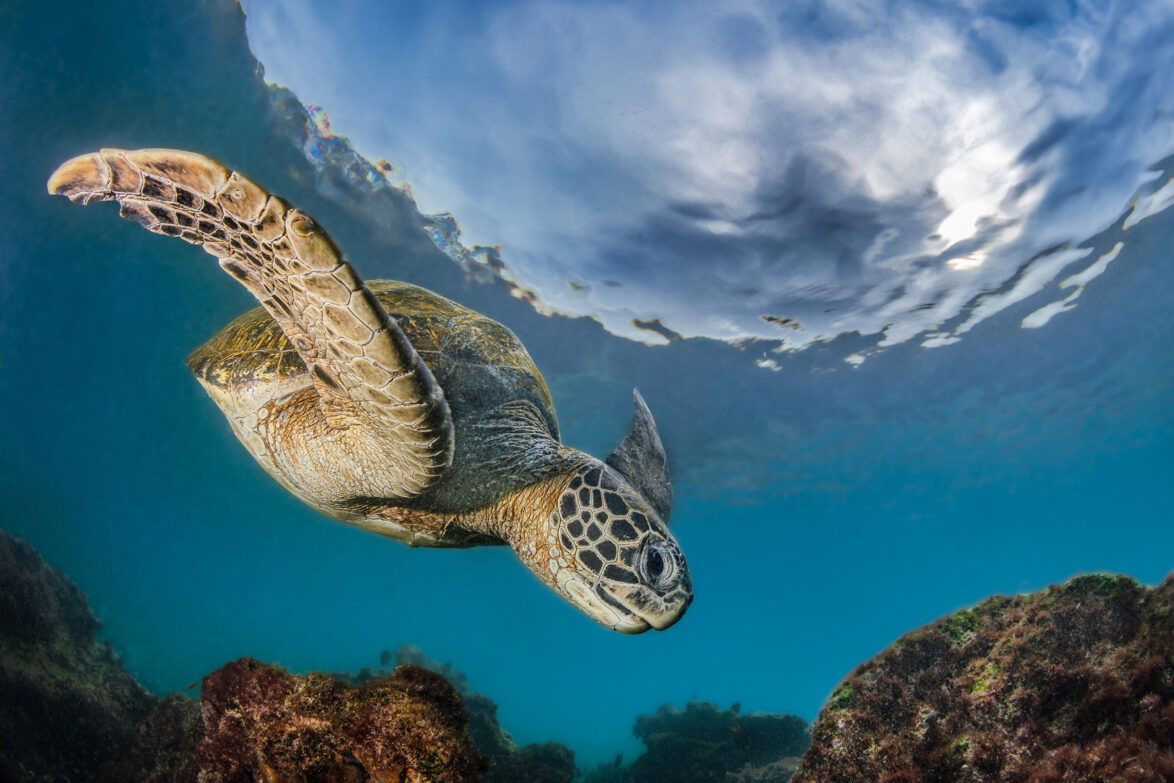
Research has shown that endangered and threatened species including green and leatherback sea turtles, whale sharks, scalloped hammerheads and silky sharks use the Swimway, yet these species are highly vulnerable to injury and death from industrial fishing fleets once they leave the protected areas. Ecuador’s neighbouring countries of Panama, Colombia and Costa Rica have all committed to more marine protected areas (MPAs) in order to create a ‘mega MPA’ known as the Eastern Tropical Pacific Marine Corridor.
Despite this laudable progress towards the cross-border protection that we need, there are still gaps. Galapagos has a particularly high density of seamounts – large underwater mountains, often formed by volcanic activity near tectonic plate boundaries. Emerging research shows that seamounts have an important function as refuges for marine life, playing a similar role to islands in the marine ecosystem. However, the Hermandad Marine Reserve ends 17 nautical miles south of the Paramount Seamount, the only shallow seamount on Ecuador’s side of the Swimway. A recent expedition to Paramount supported by GCT found the area to be teeming with life, including scalloped hammerhead sharks, devil rays, boobies, storm petrels and hundreds of bottlenose dolphins. The team showed that Paramount plays a dual role for hammerheads, as both a home for males and a key stop-off for the migratory females visiting the Galapagos Marine Reserve. Based on these new findings, there is growing momentum to expand the Hermandad Reserve to protect the Paramount Seamount.
Adopt a whale shark
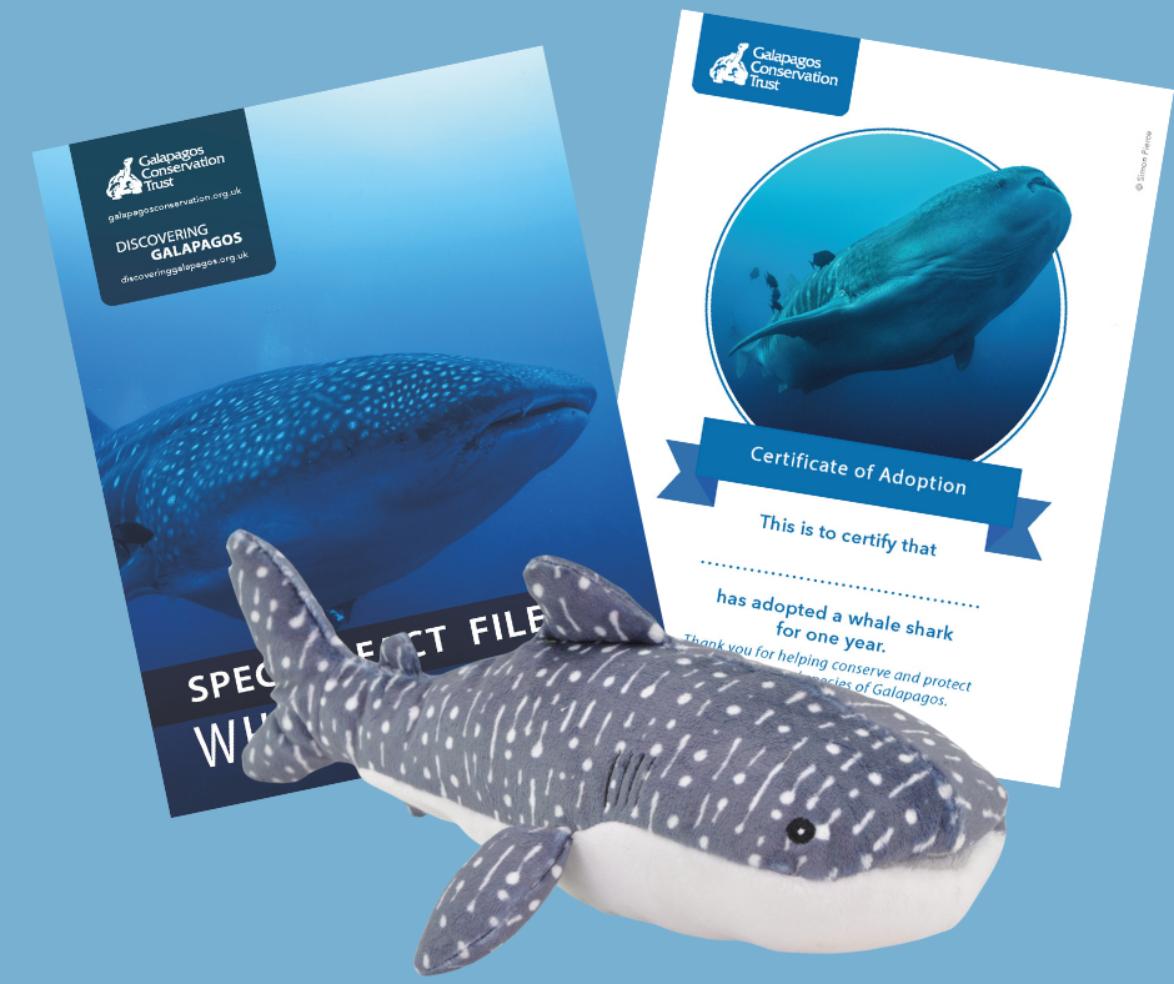
Our wildlife adoptions are the perfect gift for nature lovers, with all profits going directly towards conservation in Galapagos. Adoption packs include a fact file, personalised certificate and an adorable soft toy.
Protecting the High Seas
While many countries, including Ecuador, are making progress on establishing MPAs within their own exclusive economic zones, just 1% of the High Seas are properly protected. Earlier this year the new United Nations High Seas Treaty, also known as the Biodiversity Beyond National Jurisdiction (BBNJ) Treaty, officially entered into force. This landmark agreement will allow the creation of MPAs in international waters, which is crucial to achieving joined-up protection for migratory marine species.
The High Seas Treaty has the potential to be hugely beneficial for both the wildlife and the people of Galapagos. The international waters to the southeast of the Archipelago are where we see some of the region’s most intense fishing efforts, including the Chinese squid jigger fleet. This is not only threatening migratory species that leave the safety of protected areas; our research has also shown that this area is a major source of coastal plastic pollution in Galapagos due to poor waste management by fishing fleets.
Gathering evidence to support the creation of new MPAs in the Eastern Tropical Pacific is a key focus for GCT, and we are encouraged to see Ecuador showing leadership by ratifying the High Seas Treaty. However, we also know that many difficult negotiations lie ahead. As with the establishment of the Hermandad Marine Reserve, we will need cooperation and dialogue between science, industry, government and communities in order to secure effective ocean protection on the High Seas.
1 %
of the High Seas are currently protected
Can seafood in Galapagos be sustainable?
The local seafood system in Galapagos is complex. According to a study carried out before the COVID-19 pandemic, 31% of the fish consumed in Galapagos was consumed by the local community, with the remaining 69% consumed by tourists. However, many restaurants catering to international visitors serve imported seafood such as salmon from Chile or shrimp farmed in mainland Ecuador. Locally caught fish is more expensive than imported products from the mainland, and a significant portion is exported to national and international markets. Certain species are caught exclusively for overseas consumers, such as sea cucumbers, which are considered a delicacy in parts of Asia and sometimes used in traditional medicine. These market forces have a distorting effect, threatening both food security and marine biodiversity in Galapagos. The current system incentivises the overfishing of commercially lucrative species for export, and is increasing the risk of invasive species being introduced to the Islands when food is imported from outside.
Untangling and rethinking these complex systems is not straightforward, but the tourism industry clearly has a role. We want to see a shift towards tourist restaurants, hotels and cruise ships serving locally caught seafood, and we are already having productive conversations with both local businesses and international tour operators. Prioritising local produce in Galapagos can support both conservation and livelihoods, and help to make the Islands more resilient and self-sufficient. It is incumbent on all of us, wherever we live, to consider the impact of the food choices we make.
We also want to give local communities other ways to make a living from the ocean. During the pandemic we funded the Barcode Galapagos project, which supported naturalist guides, fishers and others who had lost their source of income by retraining them as citizen scientists, in an ambitious effort to map the genetic code of the Archipelago’s flora and fauna. The line between fisher and conservationist is increasingly blurred, with many conservation projects in Galapagos now counting on the active involvement of fishers or the use of their vessels. Local fishers have been instrumental in efforts to tag and track whale sharks; they have participated in coastal plastic clean-ups and the recovery of abandoned fishing gear; and there is a growing interest in schemes which promote traceable, sustainable seafood for local consumption.
The health of our oceans is inextricably linked to the health of our communities. Without healthy fish stocks, livelihoods are threatened and food chains collapse. Without predators such as sharks to keep prey in check, ecosystems become unbalanced and more vulnerable to future shocks. We know that our oceans play an important role in absorbing carbon and regulating our climate, strengthening our natural defences. Healthy oceans are vital for all of us, which is why the collaboration GCT is fostering between scientists, fishers, businesses and government is so important for the future of Galapagos.
The line between fisher and conservationist is increasingly blurred, with many conservation projects in Galapagos now counting on the active involvement of fishers or the use of their vessels.
Related articles
A decade of tracking whale sharks
Sharks: Our ocean’s superheroes, not villains