Skip navigation
Go to home page > News > Our blog > Celebrating our 2025 successes
Galapagos penguins underwater
15/12/2025 Events News

Celebrating our 2025 successes

With 2026 right around the corner, we wanted to take a moment to share some of the achievements we’ve accomplished this year with your help!

Hannah Rickets

Communications Manager (Paternity Cover)

This year, we celebrated 30 years of working in the Galapagos Islands, funding, supporting and delivering conservation projects across the Archipelago. A historic milestone for Galapagos Conservation Trust.

From representing the needs of Galapagos wildlife and communities at global events including the United Nations Ocean Conference and the next round of negotiations for a Global Plastics Treaty to launching our citizen science hub and partnering with the Galapagos National Park Directorate and local NGOs to develop a new model for tourism in Galapagos, our team has had a very busy year with some amazing wildlife wins, all of which would not have been possible without you.

Galapagos rail rediscovered after 190 years

In February, scientists were stunned after rediscovering the highly secretive Galapagos rail on Floreana island. This species was last recorded on the island by Charles Darwin in 1835 and was thought to be locally extinct. This ‘beautiful surprise’ came when scientists from the Charles Darwin Foundation recorded the presence of the Galapagos rail at three different sites. These official observations followed suspected sightings by Wilson Cabrera, a local island restoration specialist with Fundación Jocotoco.

This incredible discovery, which followed the first eradication attempt of invasive species from the island, a worrying threat to the rail and many other native species, demonstrates that ecosystems can recover when given a helping hand.

Galapagos rail
Galapagos rail © Agustín Gutiérrez

GCT’s 30th anniversary webinar

In April, we held a very special webinar to reflect on both the successes and the challenges of the last 30 years, and to look ahead with hope to the next 30 years. Dr Jen Jones, CEO of Galapagos Conservation Trust, was joined by GCT Ambassador, author and editor of Galapagos Matters magazine, Dr Henry Nicholls, and GCT’s Ecuador-based Programmes and Policy Manager, Lucía Norris Crespo.

GCT team at Galapagos Day 2024

30 years of GCT

We have celebrated some amazing conservation success stories over the last three decades, and we are incredibly proud of what we have achieved with your help.

Discover more

GCT on a global stage

In June, we attended the United Nations Ocean Conference in Nice, France, where we called on governments to commit to accelerating action for our oceans, including a legally binding Global Plastics Treaty, and ensure the voices of those most impacted by global ocean pollution have a place in decision-making processes.

During the event, we held an online panel discussion with the Galapagos National Park Directorate and Fundación Ariana Rapa Nui, with voices from grassroots to Government, we explored the efforts of the Pacific Plastics: Science to Solutions network to break the plastic pollution cycle with innovation and collaboration. We also celebrated the launch of the Tangaroa Alliance, a collective of over 10 Pacific islands uniting to co-design solutions for a healthy ocean and raise voices for a strong Global Plastics Treaty.


The GCT team with Dr Sylvia Earle at UNOC
(Left to right) Alice Marks, GCT; Sarah Hutchison, GCT; Dr Sylvia Earle; Jess Howard, GCT © Jess Howard
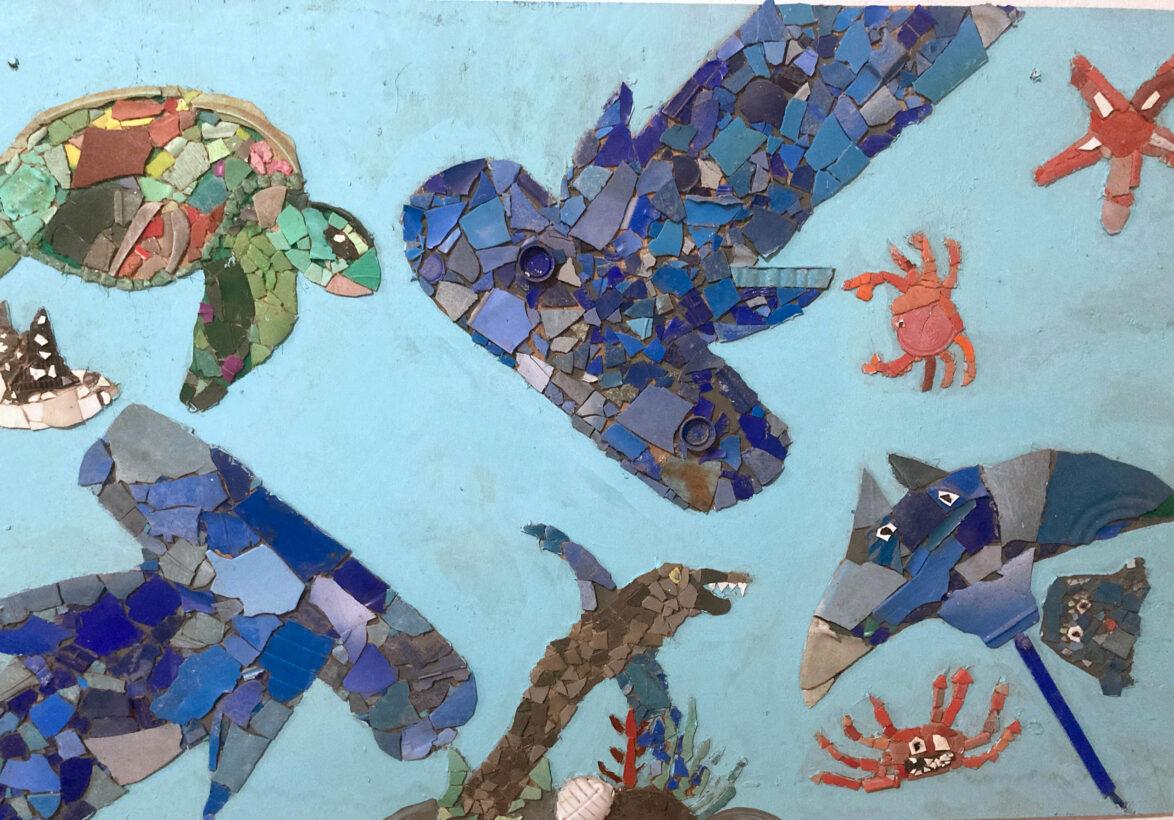
Galapagos art made from plastic waste

GCT and a Global Plastics Treaty

Learn more about the work we are doing to bring about a legally-binding Global Plastics Treaty that ends the scourge of plastic pollution.

Learn more

Launching our citizen science hub

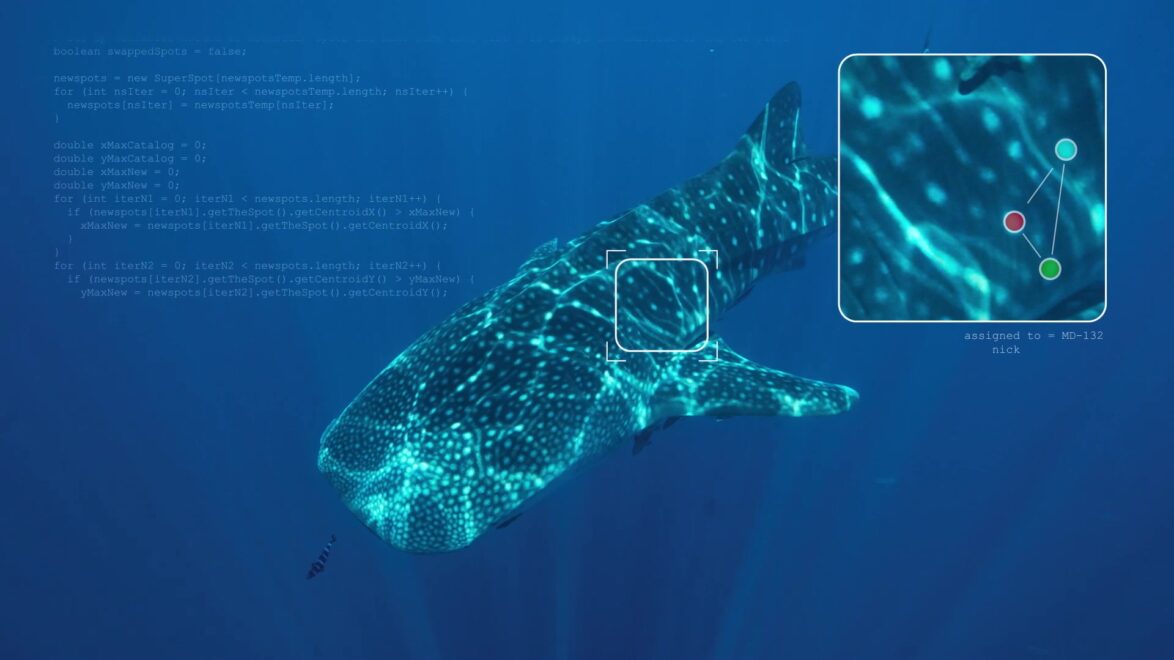
In September, we launched our citizen science hub, which brings together citizen science projects across the Galapagos Islands that are available for tourists and residents to get involved in. Citizen science is when people who aren’t scientists participate in scientific research. This could be anything from taking a picture of a shark to help track the species’ movements to reporting sightings of an injured sea lion.

To celebrate the launch of the hub, we spoke to some of the scientists leading these projects to understand what impact citizen science is having on their conservation work. We spoke to Dr Tierney Thys, who is using citizen science data to fill knowledge gaps for the elusive sunfish, Dr Diana Pazmiño, who is tracking the movements of oceanic manta rays using the data from citizen scientists and Farah Hamdan, who is using data to determine the threats faced by Mobula rays in Galapagos.

Whale shark spot identification
Whale shark spot identification on Sharkbook, a citizen science app © Sharkbook

Galapagos Day 2025: The Truth About Sharks

In October, we gathered at 1 Wimpole Street for Galapagos Day, our biggest event of the year. We were thrilled to be joined by so many of our members, supporters and partners, along with many new faces. Our theme this year was ‘The Truth About Sharks’, and we met the scientists, filmmakers and policymakers advocating for the protection of sharks and all marine life using cutting-edge technology and film to highlight the challenges facing sharks and the groundbreaking ways we can save them.

During the event, we shared the news that the High Seas Treaty, also known as the Biodiversity Beyond National Jurisdiction (BBNJ) Treaty, has met the required 60 ratifications for entry into force. This landmark treaty will allow marine protected areas to be created in international waters. This is a huge win for sharks and other migratory marine species, as currently, just 1% of the High Seas are properly protected.

Galapagos Day 2025 © Akemi Yokoyama / GCT

Become a citizen scientist

Whether you’re a visitor or resident of Galapagos, citizen science projects are a great way to learn about the wildlife of Galapagos whilst also doing your bit to help protect it.

Discover more

Historic wins for Galapagos wildlife

In October, we were thrilled to learn that our long-term partner, Dr Luis Ortiz-Catedral and his team had successfully reintroduced 1,500 land iguanas to Santiago island, where they had been locally extinct since the early 20th century due to introduced animals such as feral cats and goats (which have now been removed from the island).  This landmark reintroduction, supported by GCT, will not only boost the survival of land iguanas but also help to restore Santiago’s ecological health.

In December, we received the incredible news that marine iguanas, land iguanas, oceanic manta rays and whale sharks have been uplisted to CITES Appendix I, meaning all of these species now have the highest level of international protection a species can get under the Convention on International Trade in Endangered Species of Wild Fauna and Flora (CITES). This landmark decision prohibits all international commercial trade of these animals, an important step needed to protect these species from extinction, made possible by the incredible people, projects and research being done in Galapagos.

Galapagos land iguana, South Plaza
Galapagos land iguana © Tim Karels

Making tourism a force for good

As the world’s first UNESCO World Heritage Site, the Galapagos Islands are a dream destination for wildlife lovers around the world. The tourism industry in Galapagos is an important source of revenue for residents, with 80% of the Islands’ economy dependent on the industry. However, a 260% increase in visitor numbers over the past two decades has put a significant strain on vital ecosystem services, including clean air, water and food, as well as infrastructure and waste systems. These rapid rises in tourist numbers have also been a driver of conservation threats to species.

This year, GCT has brought together key stakeholders, including tour operators, local NGOs, the Galapagos National Park Directorate and Ecuador’s Ministry of Tourism, to develop a new model for tourism across the Archipelago. A model that protects wildlife while supporting the economic benefits and social needs of communities on the Islands. In December, the GCT team ran a series of workshops across the islands of San Cristobal, Santa Cruz and Isabela to launch the Code of Conduct campaign with the Park, which invites residents to share their thoughts on how we can create a tourism industry that ensures tourists keep their impact on the Islands to a minimum with the aim of then implementing this code for all visitors to Galapagos.


 

The GCT team delivering a tourism workshop with the Galapagos National Park Directorate © GCT

Don’t miss the latest Galapagos news

Keep up to date on the latest news, research and conservation wins from the Galapagos Islands by signing up to our monthly newsletter.

Sign up here

Supporting early career researchers

With your support, we have been able to support several early career researchers this year. They include Georgie Savage, a PhD student at the University of Exeter, who is investigating the impacts of chemical pollutants on giant tortoises and their habitats, Gislayne Mendoza Alcívar at the Charles Darwin Foundation who is looking at the potential impact of different viruses on giant tortoise populations and Sofía Leon and Dagfin Sotomayor at the Galapagos Bullhead Shark Project, who are using state of the art techniques, including ultrasounds, to study the elusive Galapagos bullhead shark.

From all of us at GCT, thank you for your continued support, our work would not be possible without you and we can’t wait to see what the year 2026 will bring our team and the people and wildlife of the Galapagos Islands. 

Georgie and her field assistant, Stephanie Andrews, collecting samples from tortoises to test for the presence of chemical pollutants © Georgie Savage
Waved albatrosses mating

Conservation in Galapagos

Discover the projects GCT is supporting and running in the Galapagos Islands.

Learn more

Support our Waved Albatross Appeal

In November, we launched our Waved Albatross appeal, which is raising money to protect these Critically Endangered species and their home.

Related articles

Mobula ray in Galapagos
6th Aug 2025
Art and literature News

Galapagos Photography Competition 2025: And the winner is...

Once again, we were wowed by the number of incredible entries depicting the wonders of the Galapagos Islands, making it a tough task for our judges to pick their winner...
Read more
Galapagos sea lion on Española
22nd Apr 2025
News Plastic pollution

Double your donation to save the Galapagos sea lion with Big Give

Support our Big Give Green Match Fund campaign to protect Galapagos sea lions from deadly plastic pollution and your donation will be doubled, up to an amazing £10,000!
Read more
Galapagos rail
28th Feb 2025
Island restoration News

Galapagos rail rediscovered on Floreana after 190 years

The Galapagos rail, a secretive bird thought to be extinct on Floreana, has been found on the island for the first time since Charles Darwin observed it in 1835.
Read more
Galapagos fur seals
20th Dec 2024
Events News

Celebrating our 2024 successes

With 2025 right around the corner, we wanted to take a moment to share some of the achievements we’ve accomplished this year with your help!
Read more

Get the latest news from Galapagos

Join our mailing list to receive our monthly email newsletter, bringing you the latest news on Galapagos and our work to protect the Islands.

This field is hidden when viewing the form
Share This Page