

Skip navigation
Go to home page > Our Work > Projects > Saving endangered landbirds

Saving endangered landbirds

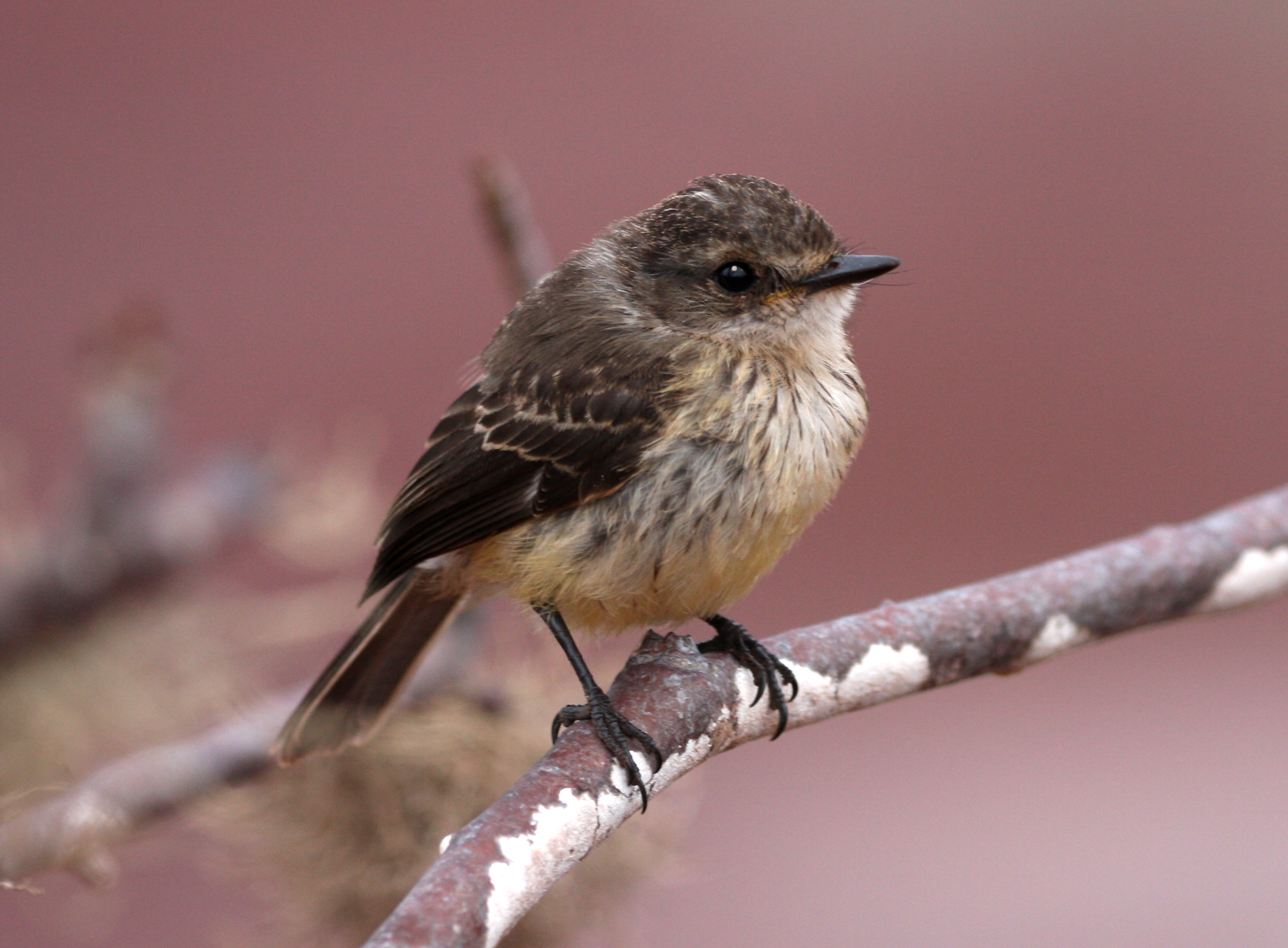
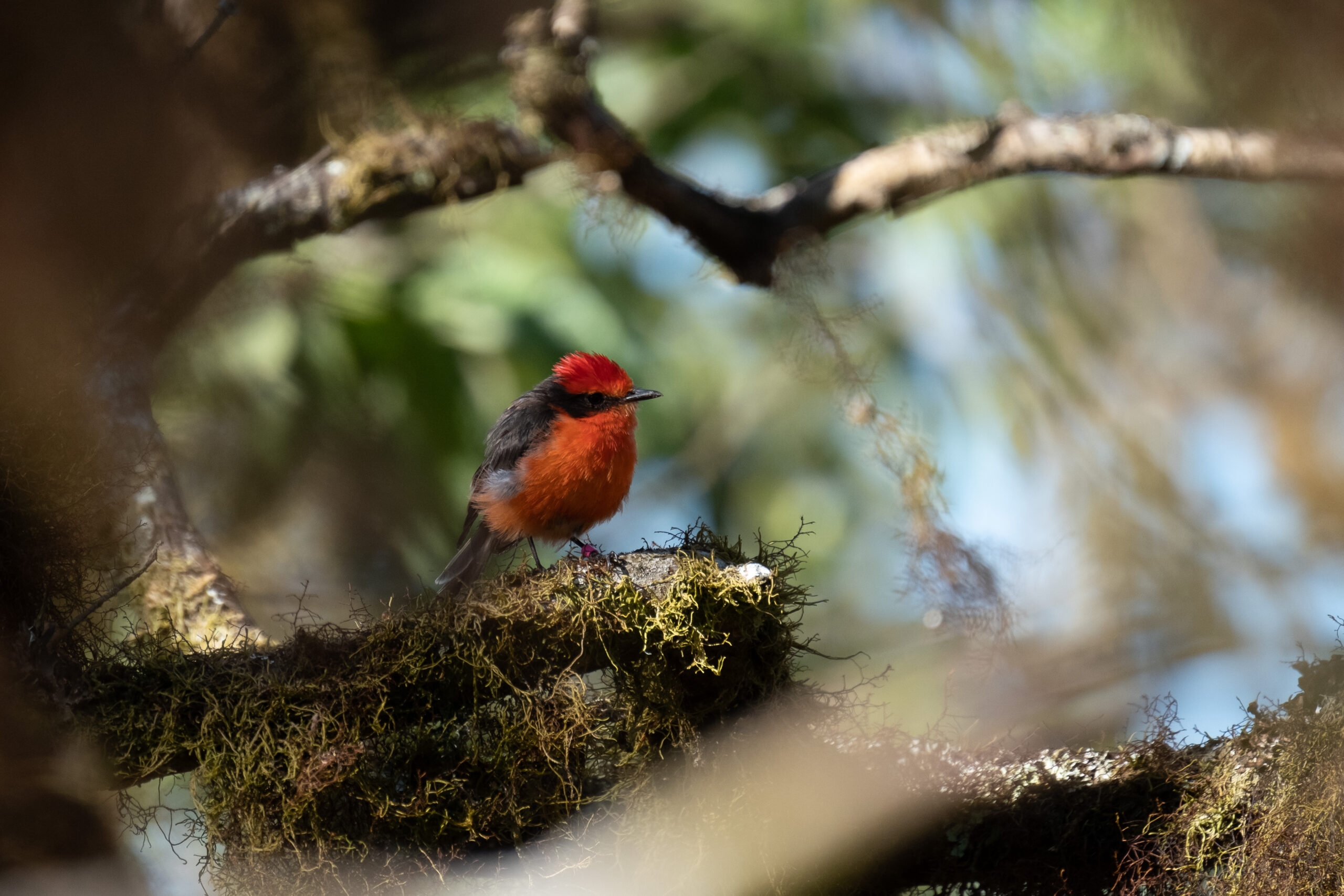
Little vermilion flycatcher in Galapagos
© Tim Karels
Mangrove finch
© Michael Dvorak

Overview

Two very special Galapagos landbirds are at risk of disappearing due to habitat loss and invasive species. The little vermilion flycatcher is a favourite among both locals and visitors, a brilliantly coloured songbird that is now declining at an alarming rate, while the mangrove finch is one of the famous Darwin’s finches and one of the rarest birds in the world, with fewer than 100 individuals remaining. We are supporting urgent work to stabilise population numbers, protect nests and restore the habitat that these birds desperately need.

Project Partners

Charles Darwin Foundation Galapagos National Park San Diego Zoo Wildlife Alliance

Galapagos landbirds in numbers

Mangroves in Galapagos

2

small areas of mangrove provide the last refuge of the mangrove finch

62

mangrove finches left according to the latest estimate in 2023

Little vermilion flycatcher on Isabela island, Galapagos

< 50

An estimated 30-50 little vermilion flycatchers are left on Santa Cruz

Little vermillion flycatcher deep in the cloud forest, Sierra Negra volcano, Isabela

10

islands are still home to the little vermilion flycatcher

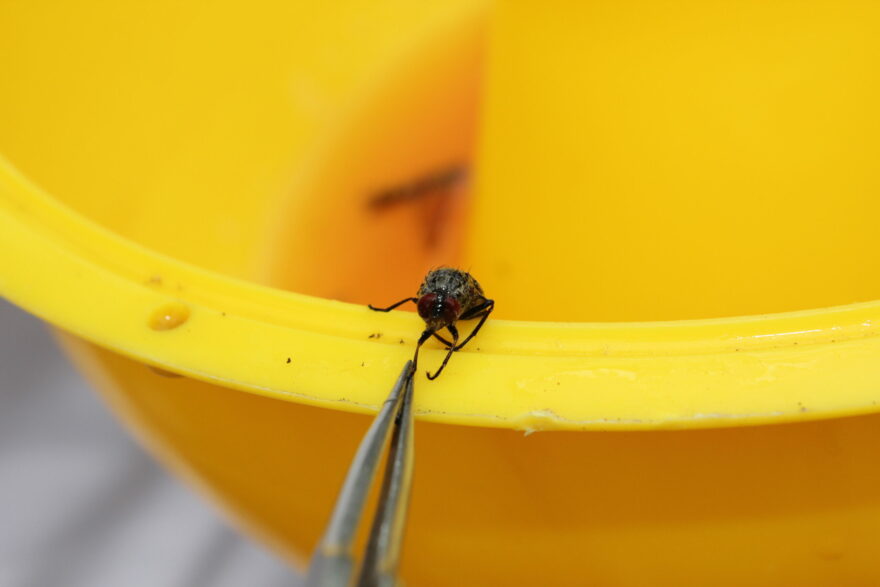
Philornis downsi
© Jen Jones

The problem

The disappearance of the San Cristobal vermilion flycatcher (Pyrocephalus dubius), last seen in 1987, is the first documented extinction of an endemic bird species in Galapagos. The same fate now looms for its relative, the little vermilion flycatcher (Pyrocephalus nanus), which has already disappeared from Floreana island and is barely clinging on in Santa Cruz. The mangrove finch (Camarhynchus heliobates) is also in grave danger, with this tiny brown bird now restricted to two small patches of mangrove forest on Isabela.

The invasive parasitic fly Philornis downsi has been implicated in the decline of many landbird species in Galapagos. The fly’s larvae feed on the blood of nestlings, and can cause up to 100% mortality in a nest. Introduced black rats are also a threat to birds. The spread of the invasive hill raspberry plant (Rubus niveus) is another possible cause for the decline of the little vermilion flycatcher, since the birds require an open area for foraging, and the raspberry plant creates dense thickets which prevent successful feeding. On Isabela, we have seen an apparent die-back of black mangroves, the favoured nesting tree of the mangrove finch.

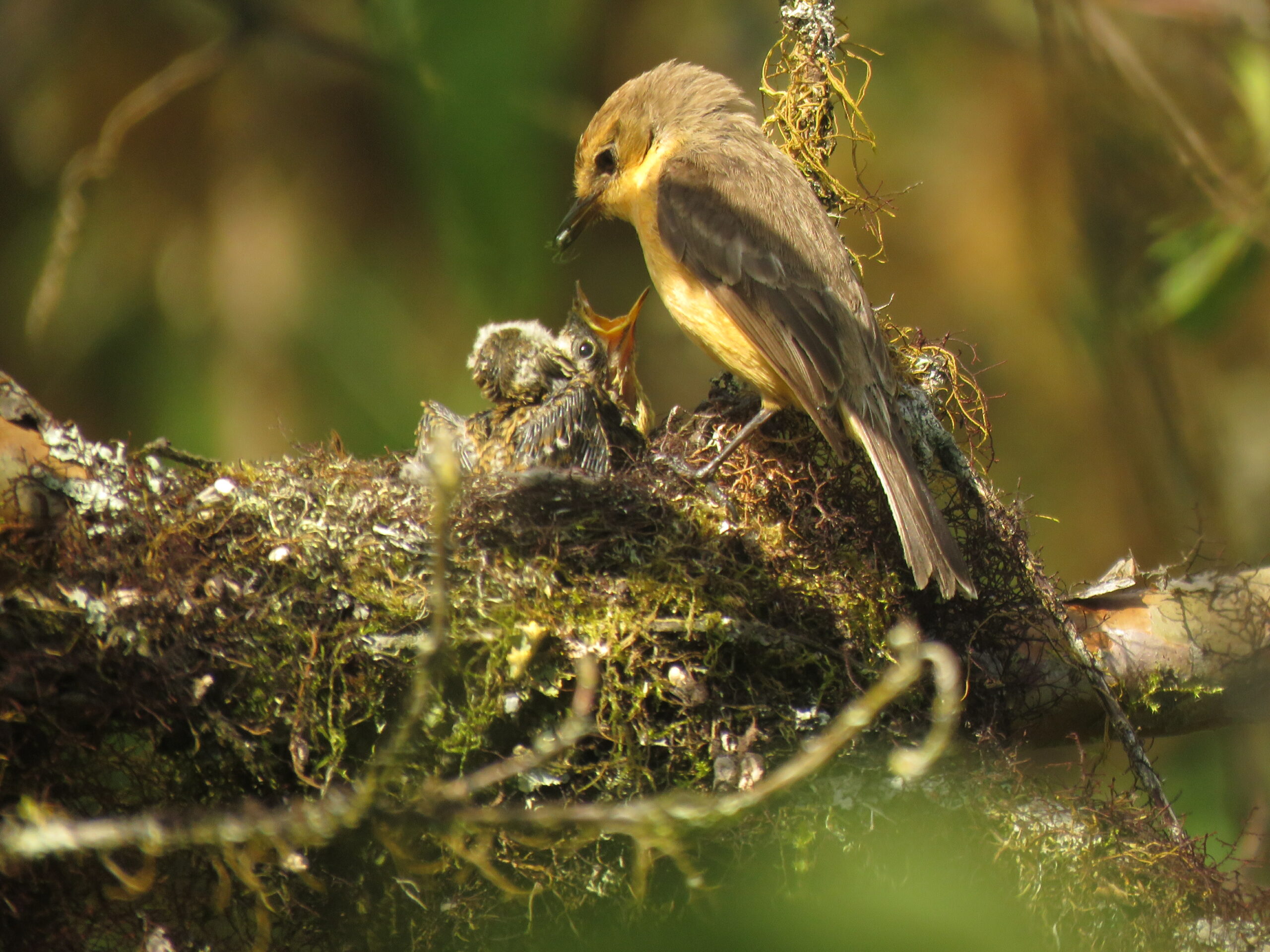
Little vermilion flycatcher with juveniles © Agustín Gutiérrez / CDF
© Agustín Gutiérrez / CDF

How we’re tackling it

To reverse the decline of endemic land birds as quickly as possible, our partners at the Charles Darwin Foundation and the Galapagos National Park Directorate formed the Landbird Conservation Programme in 2014. This programme counts on the help of Galapagos residents, visitors and researchers from around the world, and is investigating multiple solutions simultaneously. Galapagos Conservation Trust has supported the mangrove finch team since 2014, and we have been supporting work to increase the number of little vermilion flycatchers on Santa Cruz since 2019.  

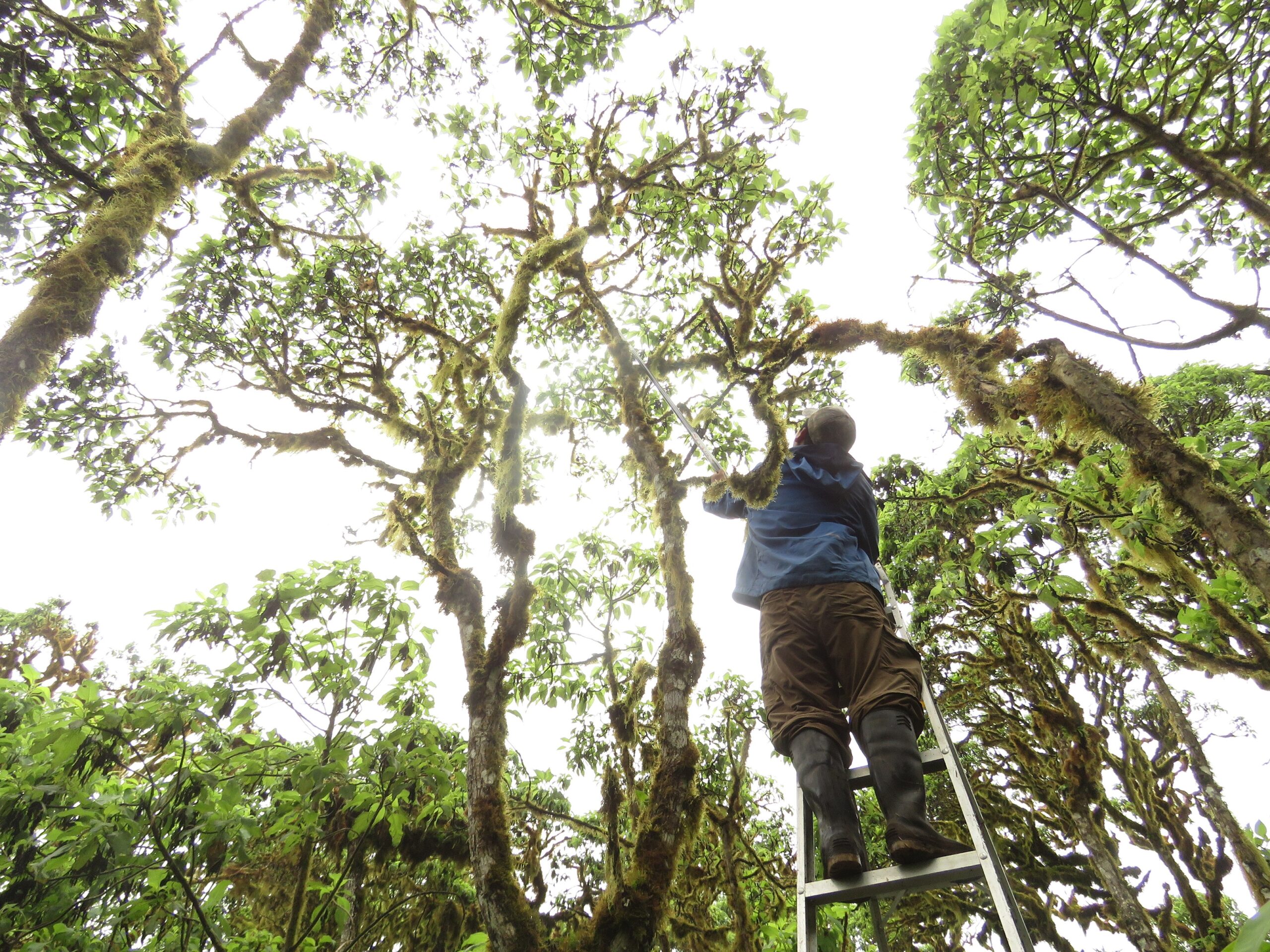
Efforts to protect the little vermilion flycatcher include removing invasive hill raspberry plants from Mina Roja on Santa Cruz, which will allow the native Scalesia forest habitat to be restored, interspersed with open areas for breeding and foraging. The team are also working to reduce the pressure from invasive species, including both rats and Philornis downsi larvae. Each year, researchers from the mangrove finch team spend two to three months in the field during the breeding season, collecting important data such as the number of breeding pairs and re-sightings of captive-reared individuals, and undertaking vital conservation measures including supplementary feeding of chicks and deploying baited rat traps. Between 2014 and 2018, the team focused on hand-rearing chicks and re-releasing them into the wild to give them a head start in life. However, this was hugely labour-intensive and expensive, and in recent years, the team has been focusing on Philornis control in the wild. This includes injecting wild nests with an insecticide, which needs to be delivered by a highly skilled tree-climber, and trialling use of feather dispensers treated with an insecticide to see if breeding pairs will use these feathers as nest building materials. These techniques are also being used with the little vermilion flycatchers on Santa Cruz. 

Birgit Fessl, Charles Darwin Foundation

Watching the birds effortlessly swoop down, capturing insects mid-air just above the restored forest floor, and swiftly returning to feed their chicks without straying far from their nests is a beautiful sight.

Dr Birgit Fessl, Principal Investigator for the Landbird Conservation Programme
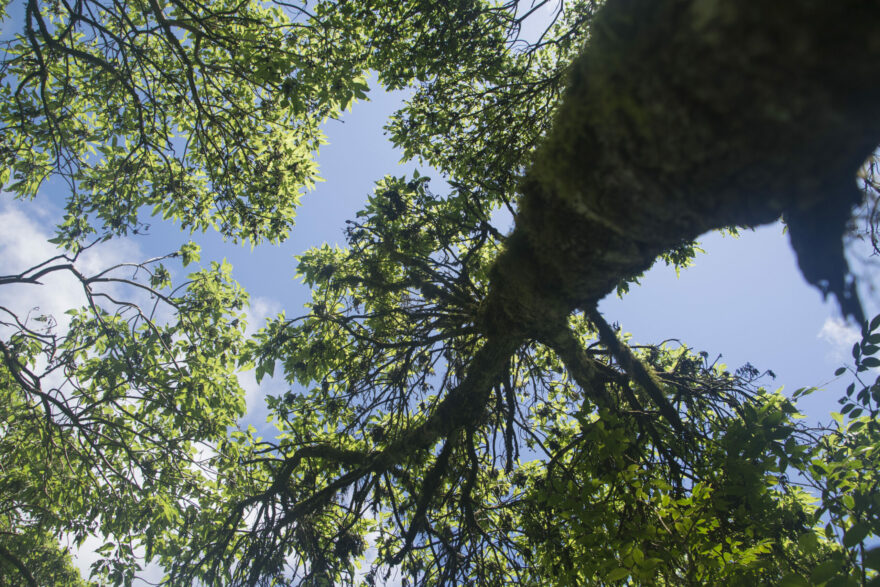
Scalesia forest in Santa Cruz
© Jennifer Linton

Project goals

The project aims to: 

  • Restore the Scalesia forest interspersed with semi-open areas for little vermilion flycatchers to use as breeding and foraging grounds
  • Reduce predator pressure on threatened landbirds through regular rat control
  • Increase fledgling success of little vermilion flycatcher and mangrove finch nests that are infested with larvae of Philornis downsi
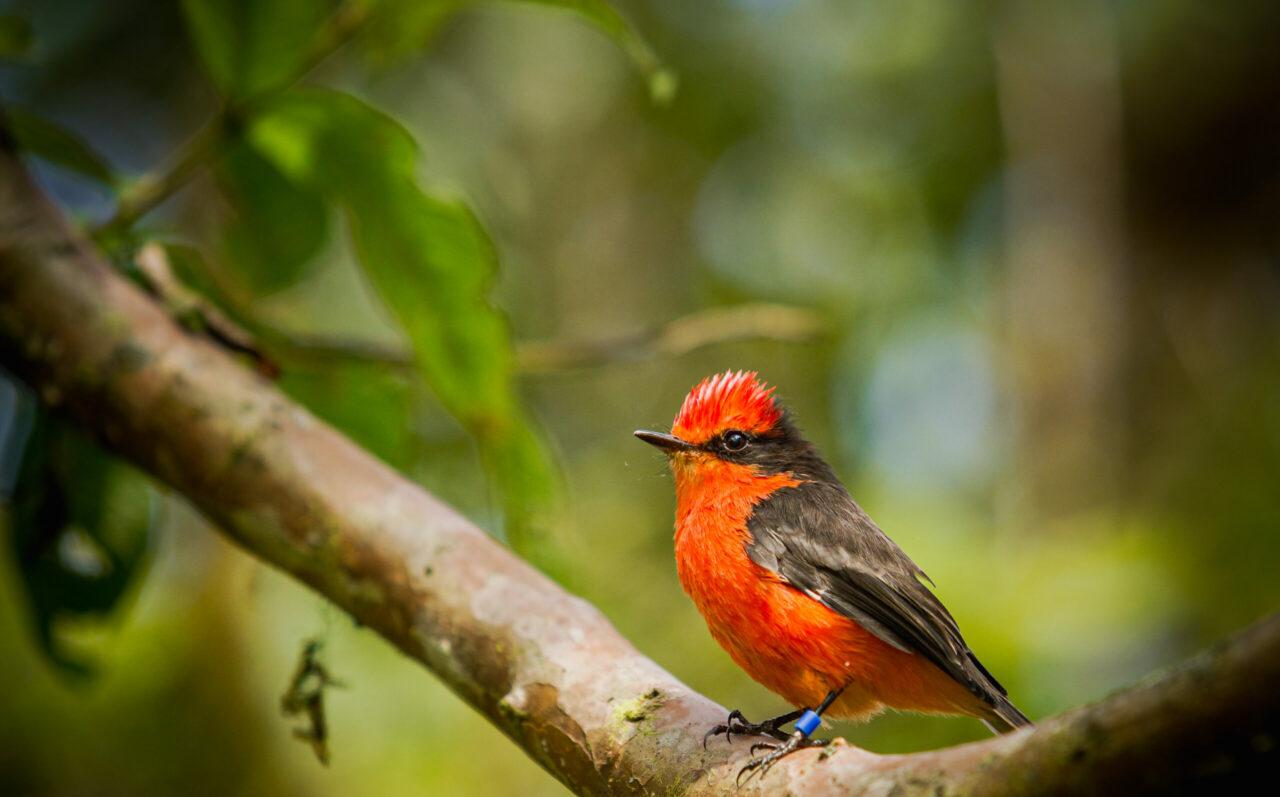
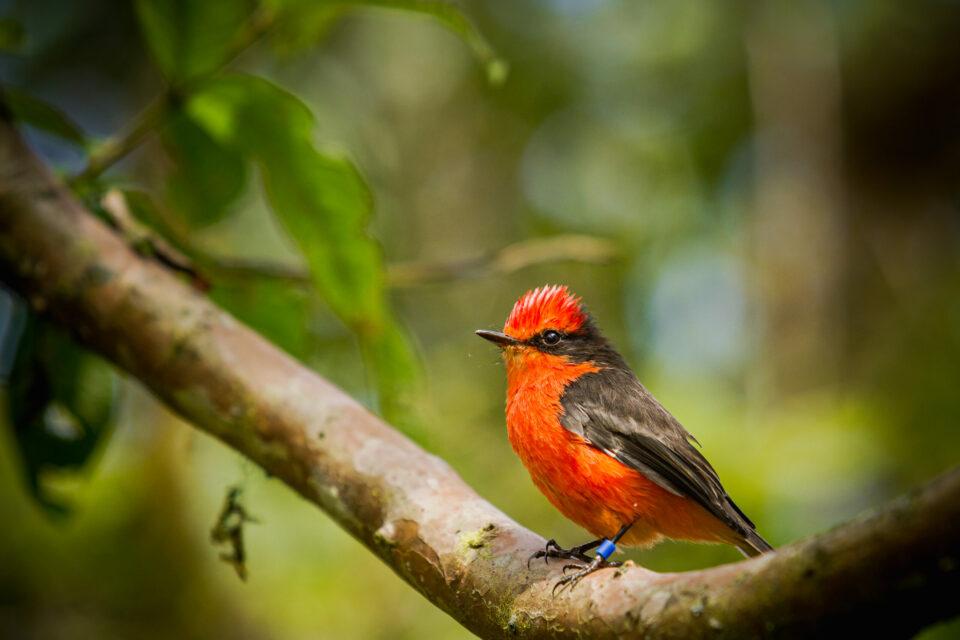
Little vermilion flycatcher
© Ian Henderson

Project updates

Little vermilion flycatcher
22nd Apr 2024
Biodiversity loss Invasive species

What is being done to save the little vermilion flycatcher?

With its striking red plumage and distinctive call, the little vermilion flycatcher is instantly recognisable. Sadly, this colourful species is under threat, just like many of the Islands’ land birds.
Read more
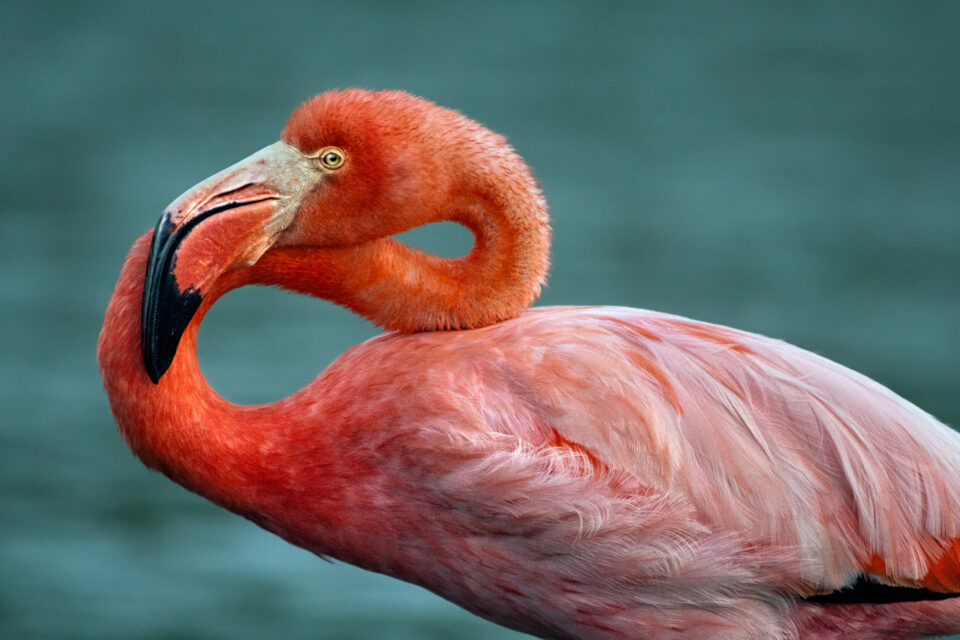
American flamingo in Galapagos
15th Nov 2023
Wildlife facts

5 of the most colourful birds in Galapagos

Visitors to Galapagos are sometimes surprised to discover the relative lack of colourful bird plumage on display, given the Islands’ location on the Equator.
Read more
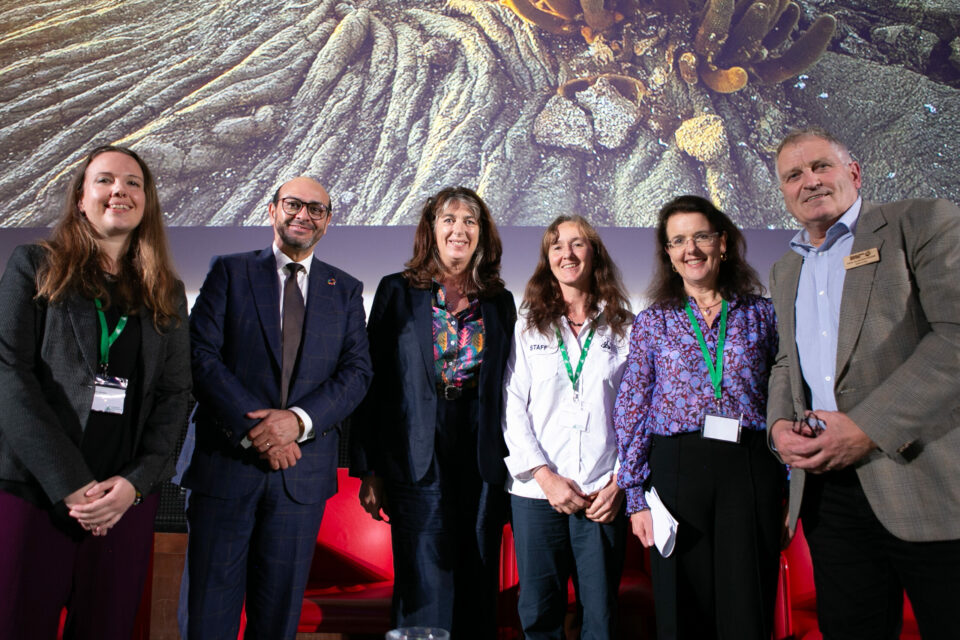
Galapagos Day 2023 speakers
30th Oct 2023
Events Rewilding

Galapagos Day 2023: Rewilding Galapagos

On Thursday 19 October we gathered once more at London’s historic Royal Geographical Society for Galapagos Day, our biggest event of the year.
Read more
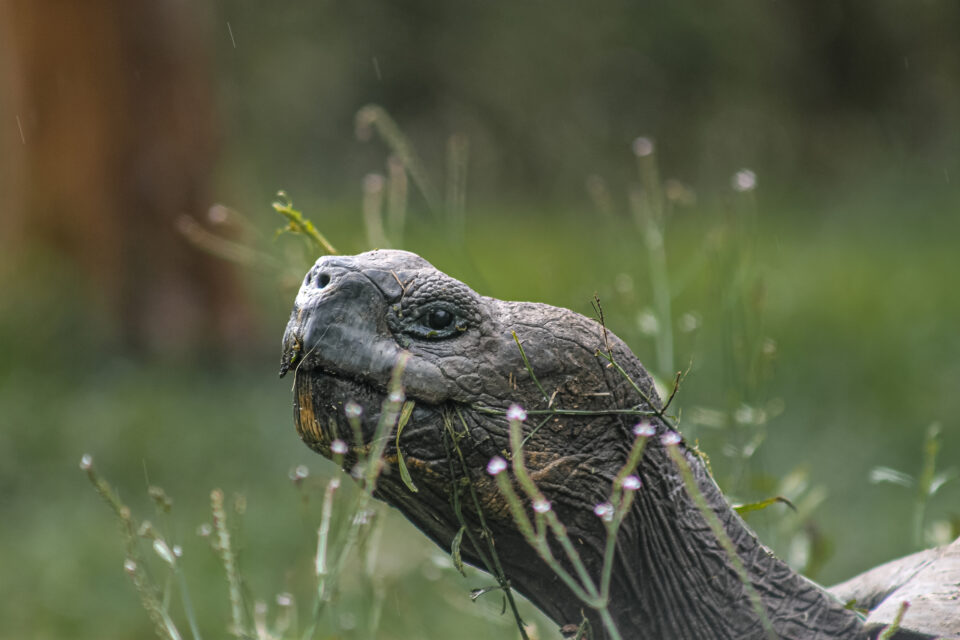
Galapagos giant tortoise amongst vegetation
12th Sep 2023
Island restoration Rewilding

Rewilding Galapagos: Giving nature a helping hand

What does rewilding mean in the context of Galapagos, where 97% of the land is already a protected National Park?
Read more

How you can help

With your support, we can scale up nature restoration across Galapagos and allow endangered landbirds to thrive once more.

Get the latest news from Galapagos

Join our mailing list to receive our monthly email newsletter, bringing you the latest news on Galapagos and our work to protect the Islands.

This field is hidden when viewing the form
Share This Page