Skip navigation
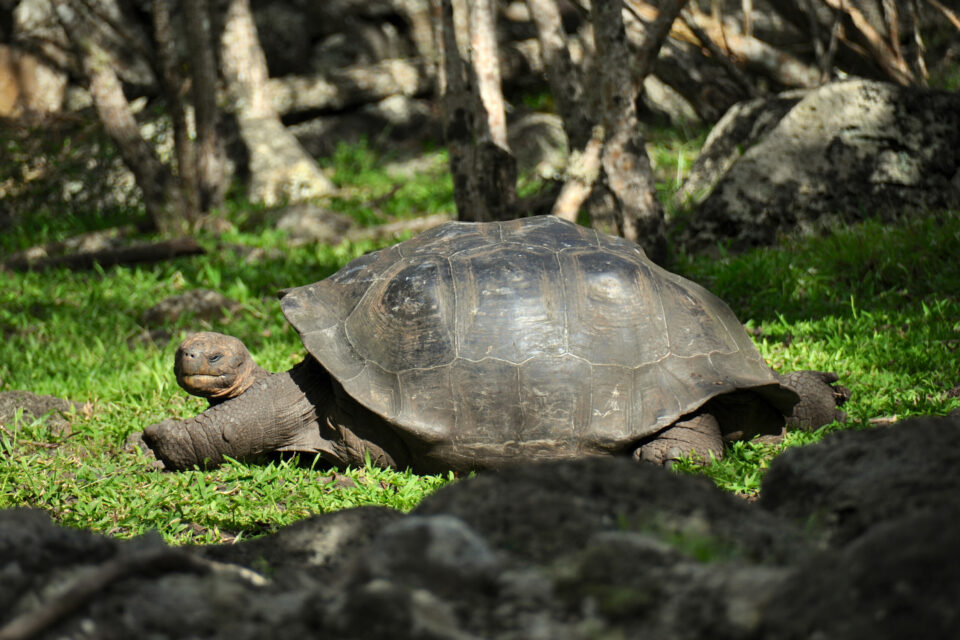
Galapagos giant tortoise in pond

Rewilding Galapagos

Invasive species, pollution, plastic waste and disease threaten the survival of iconic species like Galapagos giant tortoises and Darwin’s finches. We need your help to rewild the Galapagos Islands so that wildlife thrives alongside people, reducing the human footprint and boosting biodiversity.

Little vermilion flycatcher on Isabela island, Galapagos
Little vermilion flycatcher © Thomas Hopmann

Wildlife under threat

A growing human footprint is putting wildlife under severe pressure in the Galapagos Archipelago, especially on the four inhabited islands. Over 1,500 invasive species have been introduced to Galapagos, devastating populations of endemic land birds and reptiles such as giant tortoises and marine iguanas. Pollution is an increasing threat to wildlife in and around populated areas, with a recent study showing that giant tortoises are eating litter including plastic, metal and glass.

At GCT, we are dedicated to safeguarding the future of the Galapagos Islands, working together with our partners and the local community on populated islands such as Santa Cruz and Floreana. From eradicating parasitic flies and clearing dense thickets of invasive hill raspberry, to rewilding unproductive agricultural land and bringing back iconic species such as the little vermilion flycatcher, our island restoration work will repair damaged ecosystems and provide benefits for both people and nature.

Why do we need to rewild Galapagos?

> 1.5 k

invasive species have been introduced to Galapagos

86.3 %

of litter items found in giant tortoise faeces were made of plastic

12

species are locally extinct on Floreana

75 %

of all recorded extinctions have occurred on islands

We are aiming to raise £30,000 from our Rewilding Galapagos appeal, with 100% of the proceeds going directly to island restoration projects in Galapagos. If we exceed this amount, funds will be directed to wherever the need is greatest.

Here are just a few of the ways your donation could make a real difference for Galapagos…

Co-Galapagos workshop Montemar
© Co-Galapagos

Inspire the conservationists of the future

Young people in Galapagos have few opportunities to see the wildlife enjoyed by tourists and develop a connection with nature, since many areas are too expensive to visit.

£25 could help support a rewilding workshop for local young people and build valuable conservation skills.

Donate now
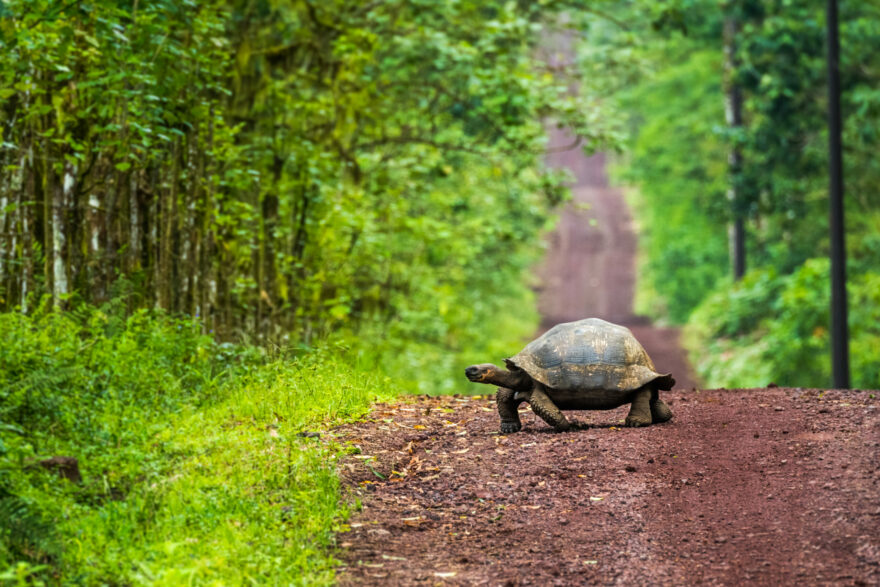
Galapagos giant tortoise crossing dirt road, Santa Cruz
© Nick Dale

Protect giant tortoises from pollution

The Tortoise Protectors programme engages local young people in Galapagos to collect litter and help scientists identify tortoises that need to be relocated from urban areas to safer locations.

£50 could help fund the Young Tortoise Protectors to carry out monitoring surveys where tortoise habitats overlap with main roads.

Donate now
Hill raspberry plant (Rubus niveus) in Galapagos
© Ian Dunn

Allow native plants to flourish

The hill raspberry is one of the most damaging invasive plants in Galapagos and threatens the survival of the endemic Scalesia forest, a vital habitat for birds such as the little vermilion flycatcher.

£75 could fund a day of clearing invasive hill raspberry plants, enabling local plants and wildlife to return.

Donate now
Large ground finch
© Tim & Kate Bradley

Bring Darwin’s finches back to Floreana

Four species of Darwin’s finch were driven to extinction on Floreana island by rats and other invasive species. Now that the rat eradication has been carried out, we are preparing to bring these missing species back.

£300 could fund assessments to ensure that returning birds are healthy and no diseases are introduced.

Donate now

Related articles

Juvenile land iguana on Santiago
24th Mar 2026
Island restoration Rewilding

The art of reintroduction

In the space of just 50 years, the size of wildlife populations worldwide has been falling dramatically. To combat this, there has been a steady increase in species reintroductions.
Read more
Galapagos land iguana (Baltra)
4th Mar 2026
Events Rewilding

Rewilding Islands Webinar 2026

At our webinar on 3 March, Dr Luis Ortiz-Catedral gave a fascinating insight into the efforts to reintroduce species including the Floreana mockingbird, Floreana racer snake and Galapagos land iguana.
Read more
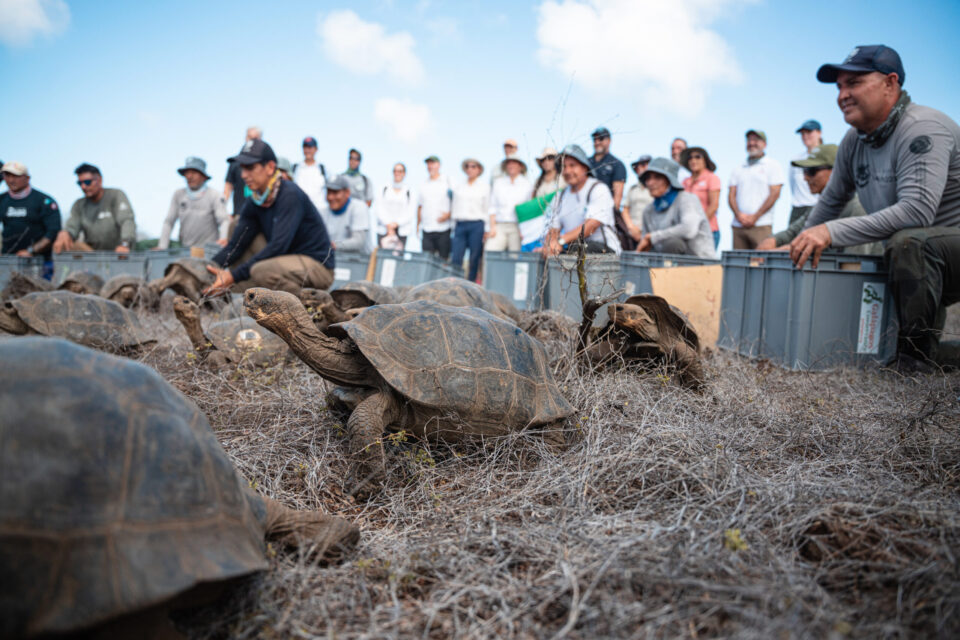
Floreana giant tortoises are released back onto the island, February 2026
20th Feb 2026
Island restoration Rewilding

Giant tortoises return to Floreana

158 giant tortoises have been reintroduced to Floreana, a huge milestone in the restoration of the island, following decades of preparation supported by GCT and many others.
Read more
Floreana giant tortoise
12th Jan 2026
Island restoration Rewilding

The return of the Floreana giant tortoise

The remarkable story of the Floreana giant tortoise, a species that the world thought was lost forever.
Read more

Get the latest news from Galapagos

Join our mailing list to receive our monthly email newsletter, bringing you the latest news on Galapagos and our work to protect the Islands.

This field is hidden when viewing the form
Share This Page